Erik Brooks · 6 October 2026
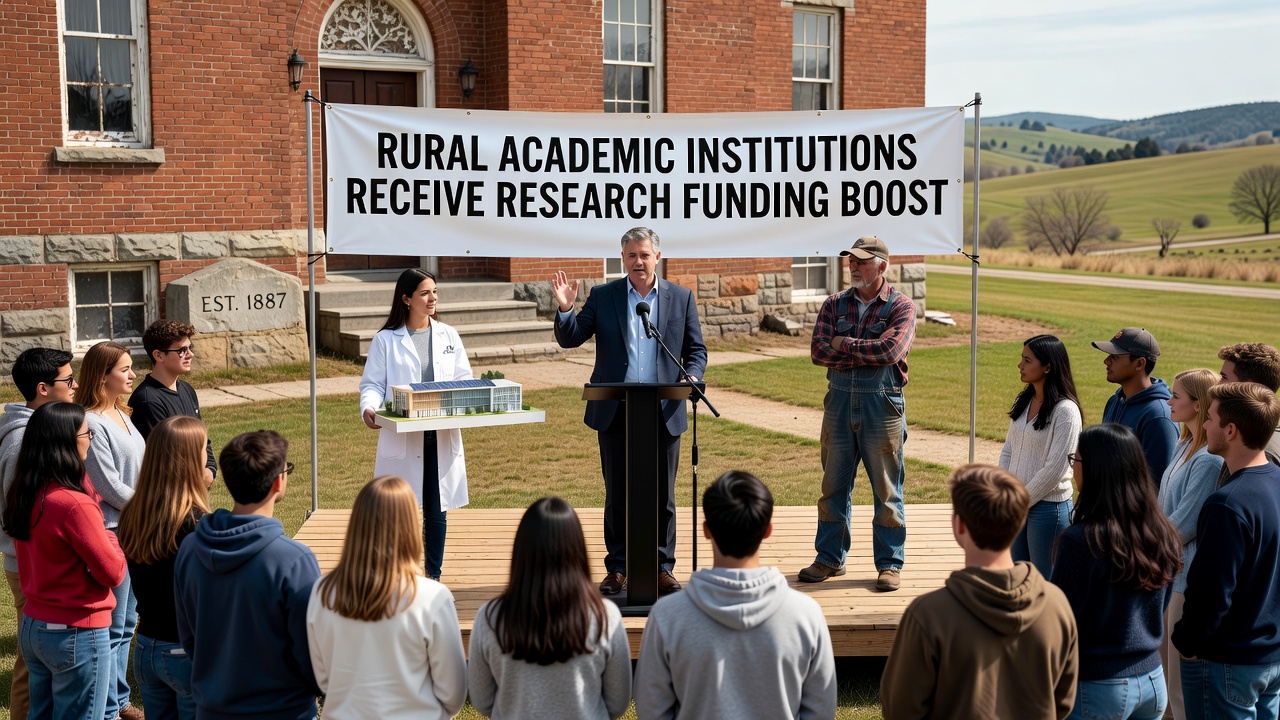
A significant increase in research funding has been allocated to rural academic institutions across multiple regions. The initiative aims to address longstanding disparities in resources between urban and rural universities. Officials announced the program will distribute grants totaling over 45 million dollars over the next three years.
Allocation and Eligibility Criteria
Funding priorities focus on institutions located in counties with populations under 50,000. Eligible projects include agricultural technology, environmental science, and community health studies. Applications require detailed plans showing measurable outcomes within 24 months. Review panels will consist of independent experts from both rural and urban backgrounds to ensure balanced evaluation. Early indications suggest strong interest from smaller colleges that previously lacked access to large-scale grants.
Administrators at participating schools report that the new resources will support equipment purchases and faculty recruitment. One university president noted improved capacity to retain graduate students who might otherwise relocate to metropolitan areas. Data from pilot programs show a 22 percent rise in research publications from funded rural sites in the first year alone.
Expected Outcomes for Education Pathways
Analysts project expanded opportunities for undergraduate research involvement and cross-institutional collaborations. The funding also targets infrastructure upgrades such as laboratory renovations and high-speed internet connectivity essential for data-intensive work. Long-term goals include strengthening local economies through knowledge transfer and workforce development programs. Monitoring frameworks will track metrics including patent filings, student retention rates, and community partnerships. Stakeholders emphasize that sustained investment remains critical to closing the urban-rural research gap permanently.
Additional provisions allow for mentorship pairings between rural faculty and established researchers at larger institutions. This component seeks to accelerate skill development and grant-writing proficiency. Reports indicate that similar past efforts have led to a 15 percent increase in successful federal grant submissions from targeted areas. Overall, the initiative represents a coordinated effort to diversify the national research landscape while supporting underserved academic communities.