Klara Albrecht · 6 October 2026
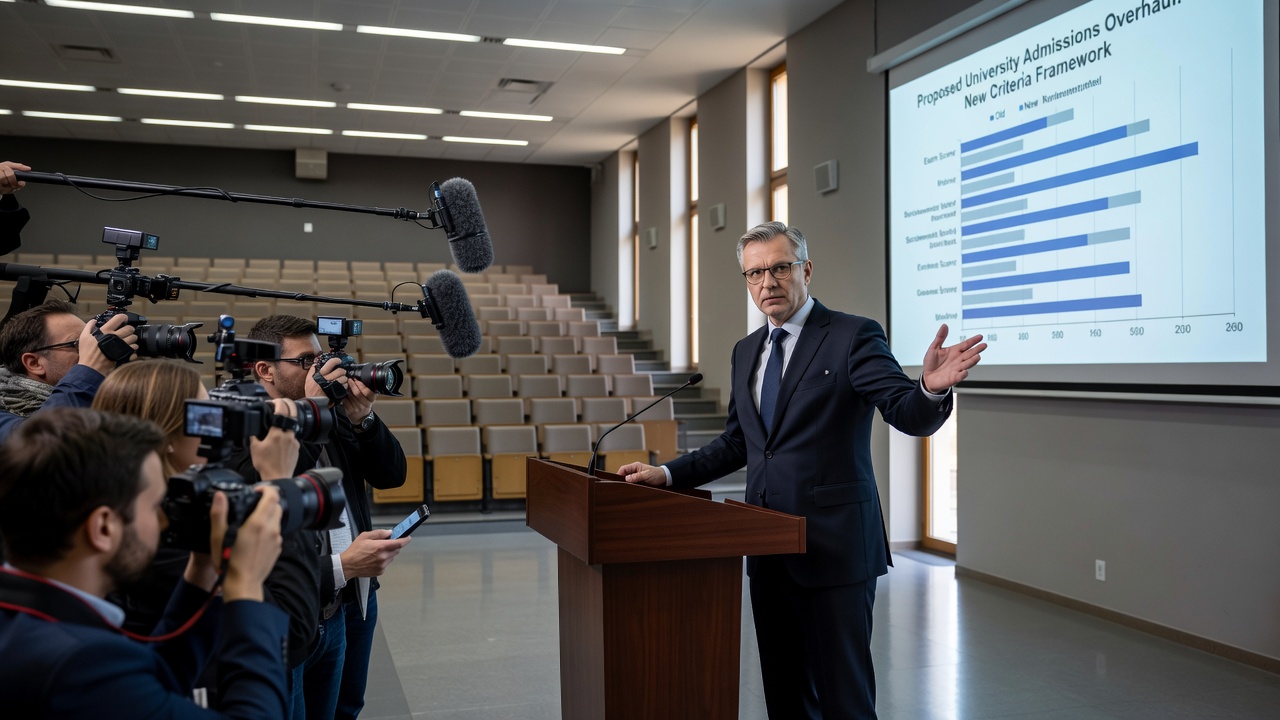
Poland's Ministry of Education has announced a comprehensive proposal to reform the criteria used for university admissions across the country. The changes aim to address long-standing concerns about the fairness and effectiveness of the current system, which heavily relies on standardized matura exam scores. This initiative comes amid growing discussions about modernizing education pathways to better prepare students for higher education and future careers. Education analysts note that the existing admissions process has been criticized for its narrow focus, often overlooking individual strengths and diverse backgrounds.
Details of the Proposed Reforms
Under the new framework, universities would gain more flexibility in selecting students. In addition to exam results, admissions committees could consider factors such as extracurricular activities, personal statements, and interviews. This shift is intended to recognize a broader range of student talents and achievements beyond academic test performance. Officials argue that the current system places undue pressure on young people and may disadvantage those from less privileged backgrounds who lack access to extensive tutoring. The proposal also includes measures to standardize certain aspects nationwide while allowing regional variations. For instance, a new points system would allocate scores for community service and leadership roles. Critics, however, worry that this could introduce subjectivity into the process, potentially leading to inconsistencies between institutions. To mitigate this, the ministry proposes training programs for admissions staff and clear guidelines.
Reactions and Expected Timeline
University representatives have expressed mixed views on the overhaul. Some welcome the opportunity to assess applicants more holistically, while others fear increased administrative burdens. Student organizations have called for greater transparency in how new criteria will be applied. The government plans to implement the changes starting with the 2026 academic year, following a period of public consultation. Experts in education policy suggest that these reforms could align Poland more closely with practices in other European countries, where admissions often involve multiple evaluation methods. If successful, the overhaul might reduce dropout rates by ensuring better student-institution matches. Further details are expected in the coming months as stakeholders provide feedback on the draft legislation. The changes are seen as part of broader efforts to enhance education pathways by fostering more inclusive access to higher learning opportunities.